How to Turn a Corporate Emergency Drill Into a Cinematic Action Film: The Intel Fab 28 Large-Scale Production
An emergency drill is one of the most complex shoots there is: no fixed schedule, five simultaneous zones, and you can't stop production. An analysis of real-time multi-zone production management with Intel.
The Shoot You Can't Repeat
There are two types of video projects in terms of production risk.
Type A: You can go back. The talent returned to the studio, the location reopened, the scene was reshot.
Type B: No going back. The moment happens once, in real-time, and you documented it — or you didn't.
Intel Fab 28's emergency drill is Type B — with a difficulty multiplier: not one moment, but five simultaneous moments across 5 different zones throughout the facility.
What This Means in Practice: Logistics Before Creative
In Event and real-time documentation projects, logistics come before everything. Who stands where, who covers what, and what happens if two things happen simultaneously in two places?
Before shoot day, we built a coverage map:
- Zone 1 — Hazmat and Ammonia: shoulder-rig crew tracking ERT team in protective suits. Close angle showing the complexity of suiting up.
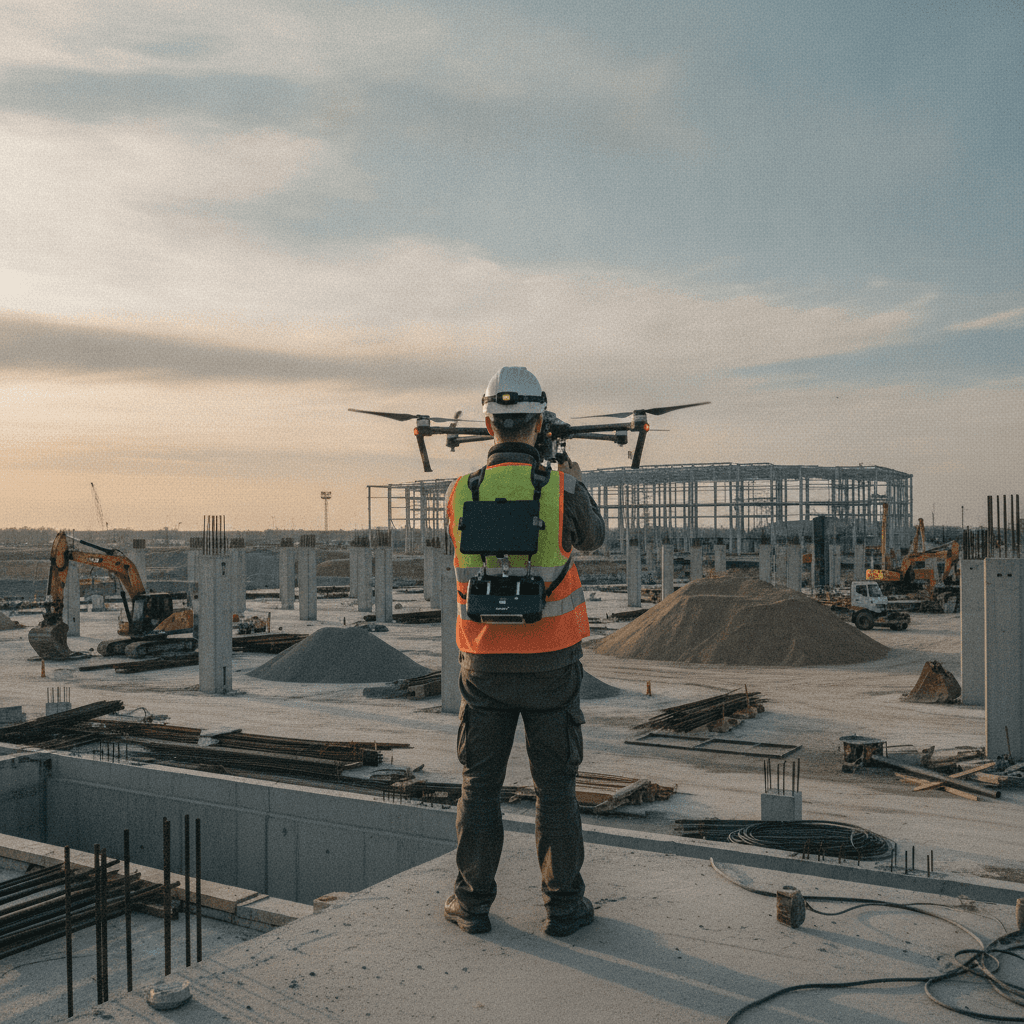
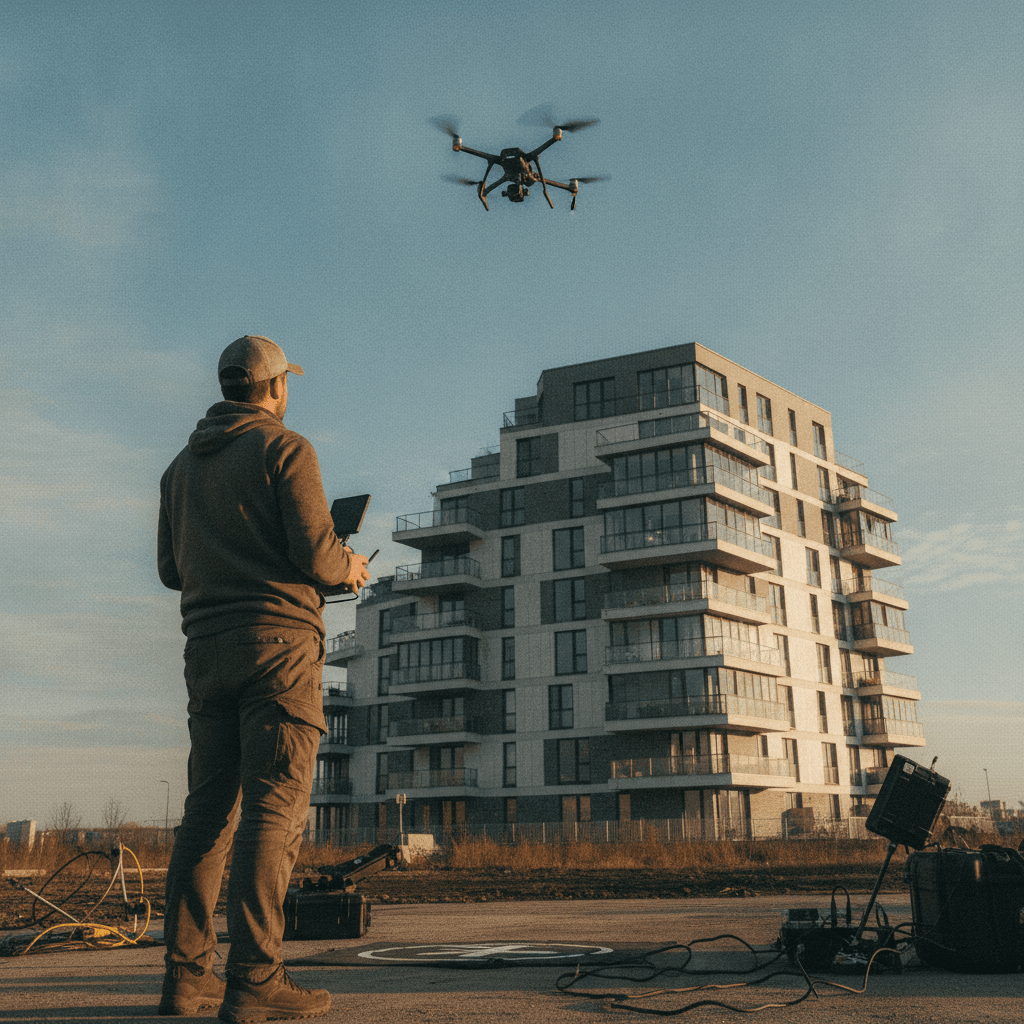
- Zone 2 — Building fire: FPV drone for aerial shots + second ground-level crew.
- Zone 3 — Height rescue: one dedicated cinematographer for rope close-ups and rescuers' faces.
- Zone 4 — Debris search: dynamic shoulder-rig following the team in real-time.
- Zone 5 — Command center (HQ): wide drone for overall deployment overview + interior for command team.
Every cinematographer received a detailed briefing + a radio station for real-time updates.
The FPV Drone: A Tool That Changes Everything in Industrial Documentation
In corporate documentary films, a regular drone gives a beautiful perspective. An FPV drone gives a perspective that feels like being a player inside the event.
At Fab 28 we used FPV to create shots that follow the crowds in evacuation — moving between them, emerging from above a building roof, diving into the Hazmat zone.
The viewer isn't watching the event — they're inside it.
Tactical Graphics: Between Document and Cinematic Production
The Lower thirds, Radar overlays, and Target points weren't added just as "information" — they're a narrative tool.
In cinematic action films, tactical graphics signal to the viewer: "We're in real-time, this is an operation, there's coordination." This amplifies the sense of urgency.
In B2B application it works differently: the graphics both provide information (team names, zones) and convey organization and professionalism. The HR viewer watching the film feels: "Our company is organized. We're ready."
This isn't safety forms. This is content that creates organizational pride.
Sound Design: Making You Feel the Urgency
One sound effect made all the difference: the radio network.
The broken fragments, the beeps, the commands between teams — added a dimension of authenticity that dramatic music alone can't provide. When you hear it, you know it's real.
The sound layers we built: 1. Dramatic music with a pulsing beat — general sense of urgency 2. Real alarms recorded during filming — authenticity 3. Radio network commands — sense of coordination and control 4. Equipment SFX: suits closing, oxygen valves, cables
When sound works as it should, the viewer stops breathing.
Business Impact: What This Film Is Worth to Intel
Layer 1 — Training: the film serves as training material for new employees. Seeing the team in action once is better than reading 80 pages of procedure.
Layer 2 — Regulators: industrial companies are subject to strict safety inspections. A film like this presents real ERT performance to the regulator — not theory.
Layer 3 — Brand image: Intel signals: "We don't just manufacture chips. We're an institution where people are safe."
Layer 4 — Recruitment: engineers and tech professionals looking for a workplace see that this isn't just a company — it's a company that invests at a level others don't reach.
What Fab 28 Teaches for Your Project
If you have an emergency drill, a safety conference, an industrial field day, or any event that happens once — it's worth filming.
Not because "it'll look good on the website." But because: - It trains employees in ways documents cannot - It proves readiness to regulators and partners - It builds organizational pride that improves employee retention - It's a unique marketing asset no competitor can replicate
A drill that wasn't filmed — didn't happen.
videoshop
Boutique Video & AI Production Studio
Related Service
High-Tech & Startup Video ›Continue Reading
videoshop
Your next project starts with a conversation
We don't work with everyone. We work with those who want to make something worth remembering. If that sounds like you, let's talk.
Let's Talk